Ingredient Guides

Korean Ingredient Substitutes

These focused guides explain what a substitute can and cannot reproduce. Each option is rated for a specific cooking context, with important flavor and allergy differences kept visible.

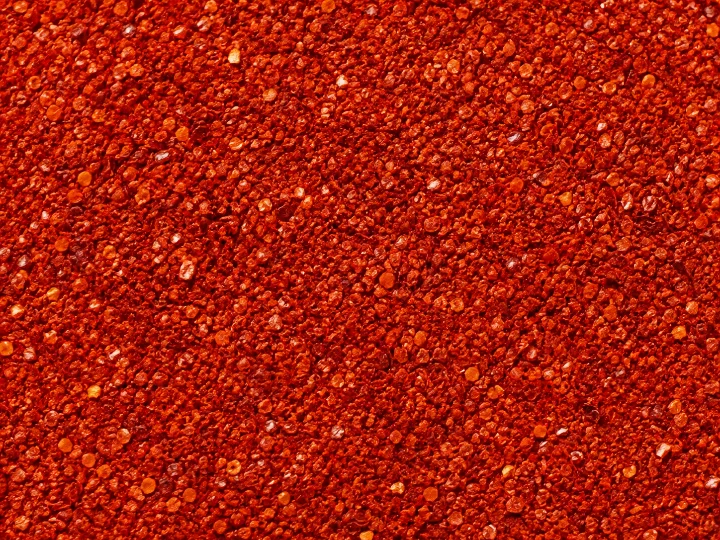
Close-up of Gochugaru

Gochugaru

Gochugaru Substitutes for Korean Cooking

Gochugaru has a distinctive balance of chile warmth, gentle fruitiness, red color, and flake texture. Another brand of real Korean gochugaru is the best choice; other chiles do not taste the same.

Read Guide
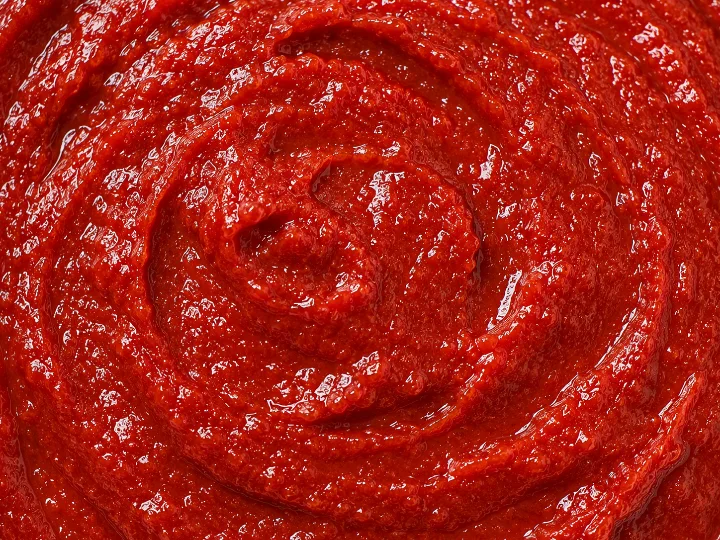

Close-up of Gochujang

Gochujang

Gochujang Substitutes for Korean Cooking

Gochujang combines fermented savory depth, chile heat, sweetness, salt, and a thick texture. No substitute has the same flavor, and real gochujang is strongly preferred when it defines the dish.

Read Guide
Close-up of Sesame Oil

Sesame Oil

Sesame Oil Substitutes for Korean Cooking

Toasted sesame oil is mainly a fragrant finishing seasoning in many Korean dishes, not simply a frying fat. Omit it first when optional; other oils replace function or offer a different flavor, never the same aroma.

Read Guide
Close-up of Sesame Seeds

Sesame Seeds

Sesame Seed Substitutes for Korean Cooking

This guide applies only when sesame seeds are an optional finishing garnish. Omission is the best option; it does not apply when ground sesame supplies flavor, texture, or body to a sauce or dressing.

Read Guide